

São Paulo Biennial arrives in Mexico for the first time with 26 artists
The 36th São Paulo Biennial opens at the Museo Tamayo from November 15 to February 7 with 26 artists: what it means for art circulation in Mexico.
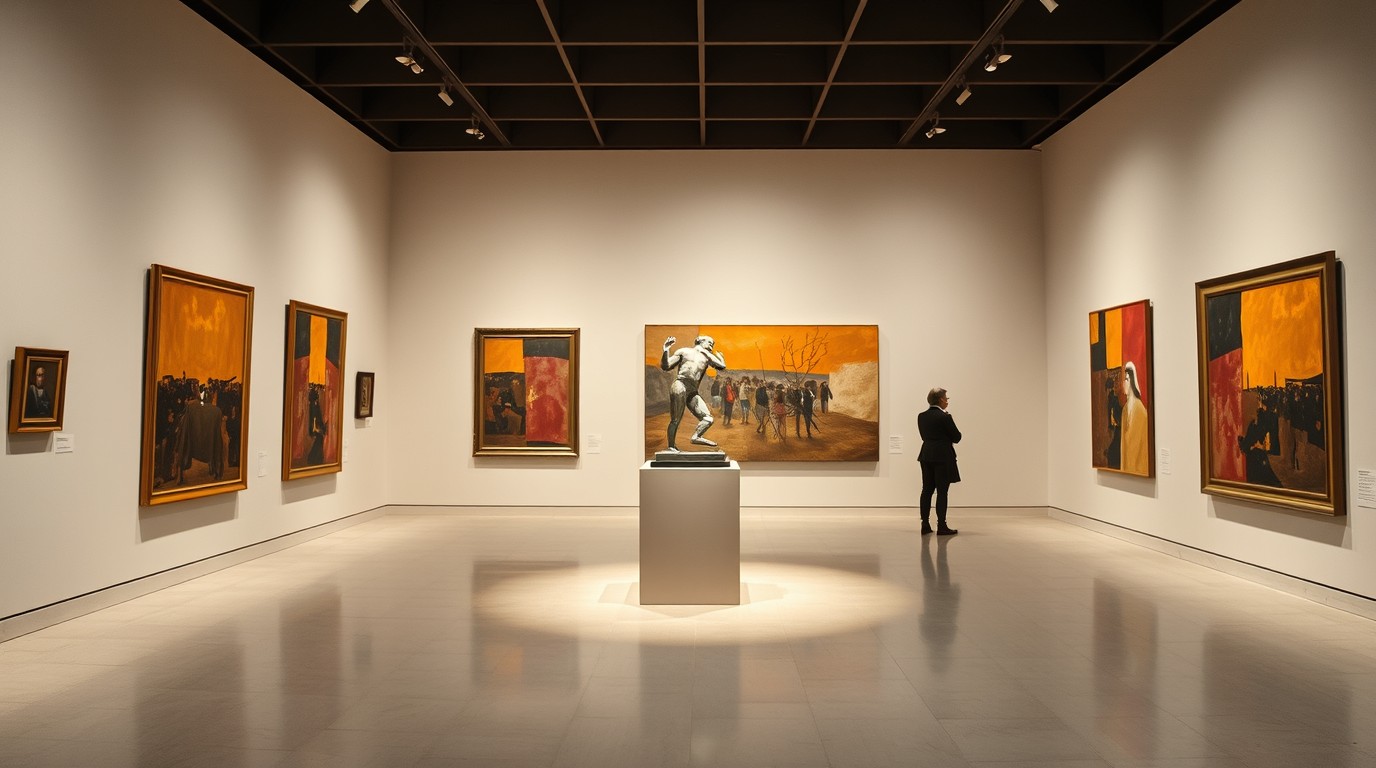
The 36th São Paulo Biennial opens to the public at the Museo Tamayo in Mexico City from November 15, 2026 to February 7, 2027, with work by 26 artists and, for the first time in the competition's 75-year history, a Mexican staging.
The touring exhibition program of the Fundação Bienal de São Paulo has existed since 2011 and had already brought pieces to 40 cities in Brazil and 10 abroad; this is the final stop on the 36th edition's tour after 12 Brazilian cities, Santiago de Chile and Berlin, according to the foundation. For the Museo Tamayo, the show connects to a history of exchanges that goes back decades: Rufino Tamayo took part in the Grand International Painting Prize in the 1950s and had a retrospective at the biennial in 1977. The Mexican staging matters to galleries, arts managers and production studios looking to circulate work and programs between Brazil and Mexico without going through Europe.
The selection brings together 26 artists from Brazil and 12 other countries, curated by Anna Roberta Goetz, co-curator of the edition, according to Crónica. The title, "Not every traveler walks paths. On humanity as practice," takes a line from the poet Conceição Evaristo and weaves together abstraction, the body, territory and ecology. Andrea Torreblanca, director of the museum, described the show as an opportunity to bring Mexican audiences closer to one of the world's most important contemporary art platforms. The exhibition occupies rooms 1 and 2, opens Tuesday to Sunday from 10:00 to 18:00, costs 95 pesos and is free on Sundays. The program includes a conversation on December 9 with Berenice Olmedo and Andrew Roberts, videos by Lynn Hershman Leeson on January 13 and curatorial talks on January 20 and 21.
The news leaves on the table a LatAm circulation channel that until now had no Mexican staging: which works travel, which curatorial projects are co-produced and which audiences are formed are decisions that cultural operators can read in the touring itself.
This article was written with the assistance of artificial intelligence from verified sources and reviewed by a human editor before publication.