

Deutsche Bank: AI boom lifts Mexican exports without full nearshoring
Deutsche Bank places Mexico in the AI dividend through electronics, but warns that the regional benefit is concentrated. The numbers, and what a founder must decide.
Mexican exports of computers and electronics gained ground in the US market amid the surge in artificial intelligence investment, but the regional dividend is concentrated, according to a Deutsche Bank analysis reported by Bloomberg Línea on November 9, 2026. US fixed investment stands almost 12% above its 2023 level, according to economists Francisco Campos and Beatriz García Nunes.
The bank's breakdown shows that spending on information processing equipment grew about 57% since 2023, software spending around 35%, and research and development 15%. Deutsche Bank argues that this US divergence was largely an artificial intelligence story. The trade effect is distributed unevenly: Chile posted a current account surplus of 0.2% of GDP in the second quarter of 2026, its first in about 15 years; Peru reached 4.5%, the highest in nearly 45 years, and Mexico came in at equilibrium, with 0% of GDP.
For a Mexican operator, the channel matters more than the headline. El Economista reported on October 25 that Mexico exported 85,400 million dollars in computer equipment in 2025, an annual increase of 145% as measured by UBS, although dependence on imported inputs reduces the share of value that stays in the country. The same analysis notes that J.P. Morgan Asset Management expects moderate AI productivity gains in Mexico and Brazil, and larger ones in the United States and Switzerland.
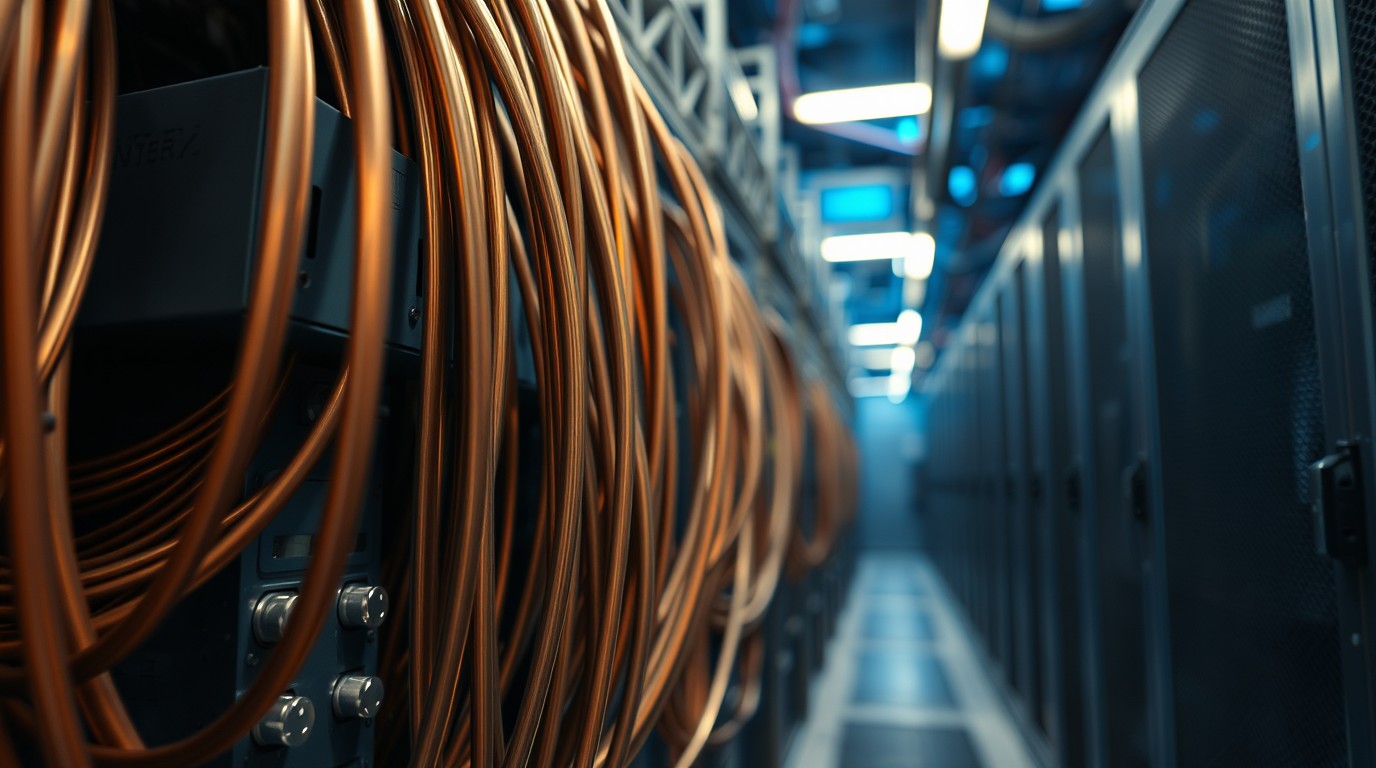
Copper emerges as the link with the clearest regional connection, according to Deutsche Bank, because of its use in cables, substations, transformers and data center cooling systems. In Mexico the momentum comes through electronics: the bank notes that the country and several Asian economies gained share as demand for equipment rose and suppliers were redistributed. Campos and García Nunes warn that this momentum does not necessarily amount to genuine evidence of nearshoring. They also note that bottlenecks in processors, electricity, grids and cooling could prolong the investment cycle.
The data leaves a question of location on the table: at which link in the chain, power supply, components, assembly or logistics, can a Mexican company retain value and not just export volume. The next signal is whether the rise in electronics shipments translates into investment inside the country or stays in the supplier's margin.
This article was written with the assistance of artificial intelligence from verified sources and reviewed by a human editor before publication.