

Government Proposes 2% Levy on Phones, Screens and USB Drives via Regulation
The federal government proposes a levy of up to 2% on phones, screens and USB drives via regulation. Here is which devices are covered and how it hits import costs.
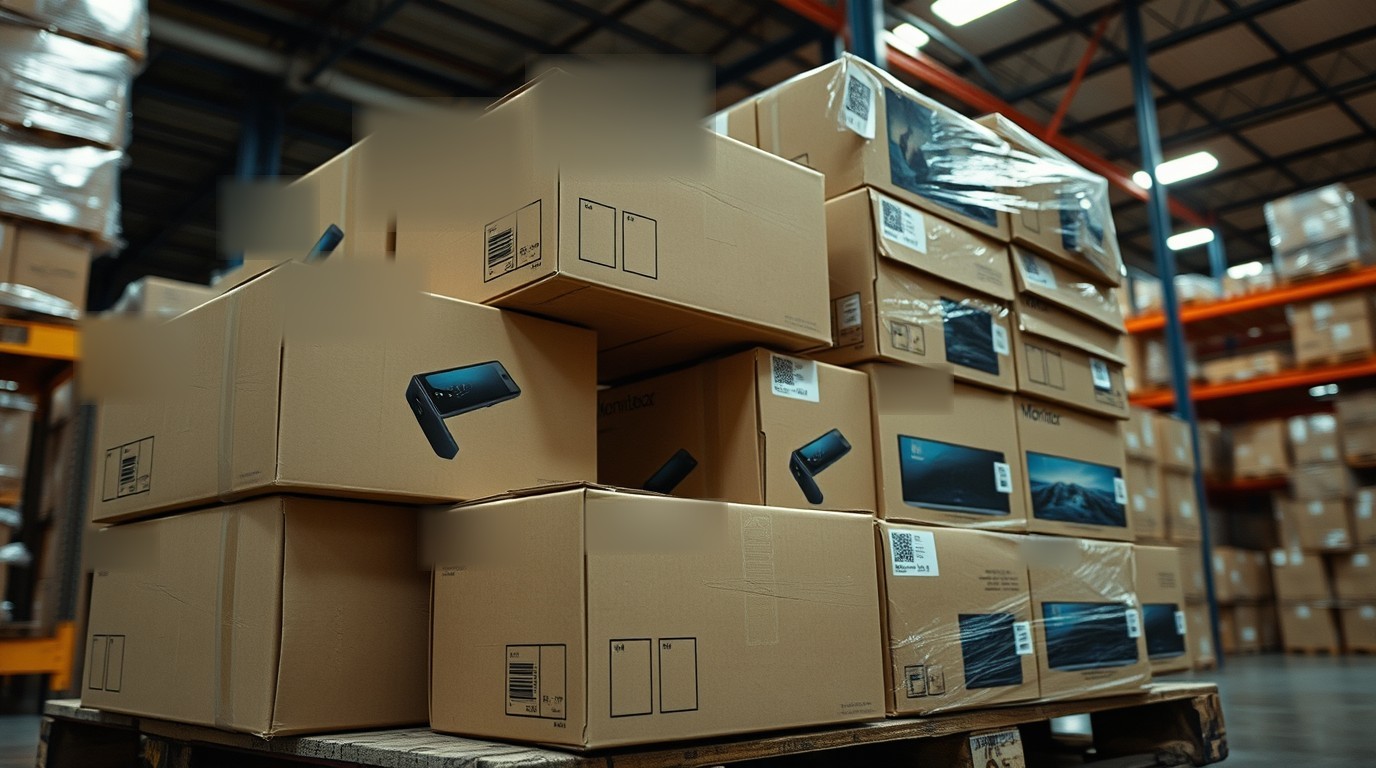
The federal government proposes a levy of up to 2% on the value of cell phones, screens, computers and USB memory drives. The measure is part of a draft reform to the Regulations of the Federal Copyright Law and was reported by Expansión on October 22, 2026; it is not in force.
The instrument is called compensatory remuneration for private copying, and it seeks to compensate creators and rights holders for the reproduction of works, even when it occurs for private, non-profit consumption. The payment falls to whoever markets and imports the equipment: it is charged once per unit, at the first act of commerce or importation in national territory. The draft also creates a oversight commission with the Ministry of Culture, the National Institute of Copyright and industry chambers, tasked with monitoring the collection and distribution of the funds, according to El Economista. This is not the first time: in 2021 Congress rejected a similar scheme, then known as the moche digital, which was calculated at 4,000 to 6,000 million pesos.
The scope is broad: screens, computers, tablets, cell phones, hard drives and USB memory drives are covered, provided they can store or reproduce protected works. The levy is proposed on the value of the device and on a preventive basis, even if the buyer never makes copies. The 2% appears as a ceiling in reports on the preliminary draft; the final text has not been published. The industry estimates an annual impact of between 700 and 750 million dollars, according to El Imparcial, and maintains that the charge is passed through to the final price. Alonso Tamez, technical secretary of the Senate Commission on Artificial Intelligence, told the newspaper El Economista that creating or reactivating taxes should be the State's last option.
For an importer or assembler, the data leaves three questions on the table: the publication date of the decree, the rate set per category and the moment the charge enters the cost of bringing inventory into the country. The difference between absorbing it and passing it on to the price list is decided in the purchase contract, not at the register. With thin inventory, one percentage point in the cost of entry is felt in the quarter's cash flow.
This article was written with the assistance of artificial intelligence from verified sources and reviewed by a human editor before publication.