

Inflation Rebounds to 3.62% in October as Electricity and Tomatoes Pressure the Index
Annual inflation rose to 3.62% in the first half of October 2026. Electricity and green tomatoes explain the rebound, and what it means for your costs.
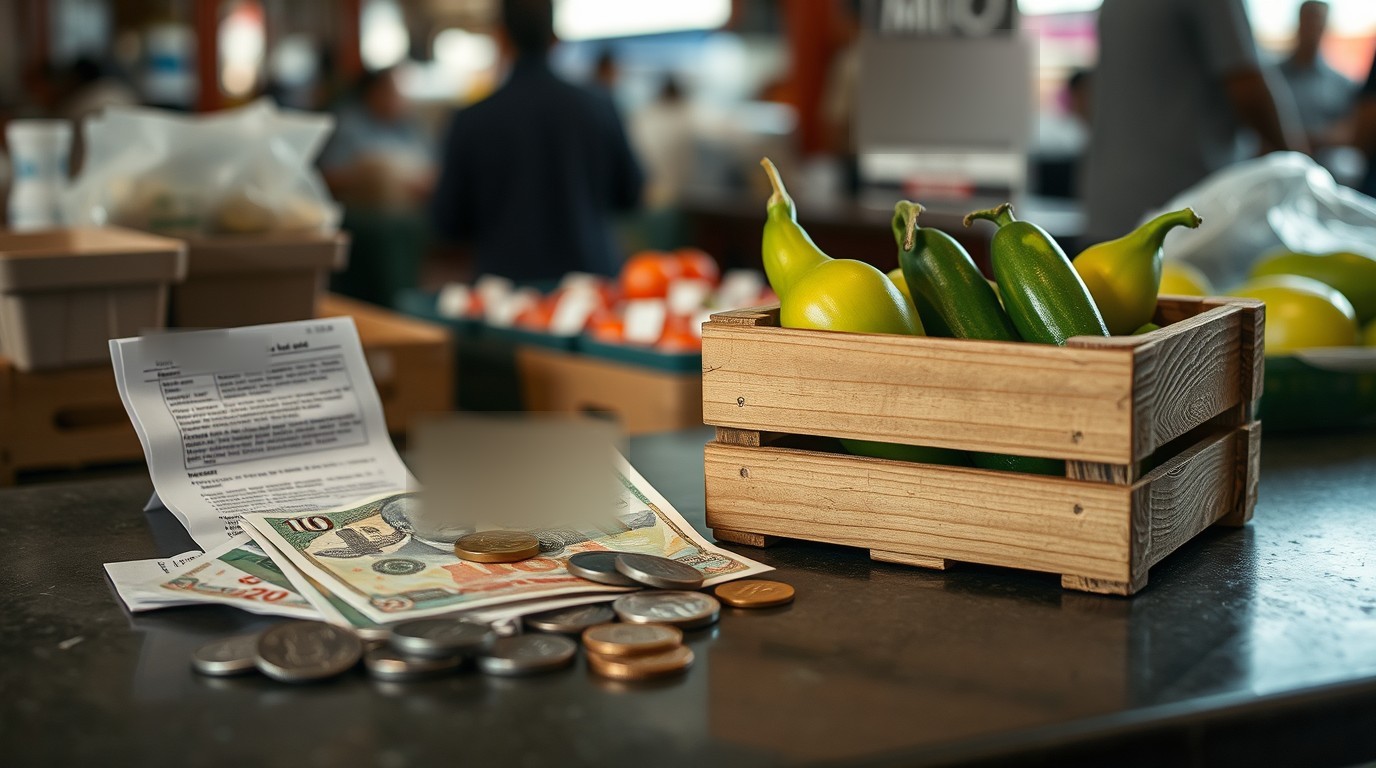
Annual inflation in Mexico rose to 3.62% in the first half of October 2026, above the 3.59% expected by analysts surveyed by Bloomberg, according to Inegi figures released on October 22 and reported by El Financiero.
The reading comes with core inflation, which excludes volatile food and energy prices, at 3.78% annually, above the 3.70% forecast by analysts and the 3.71% of the second half of September, according to El Financiero. That component ended four consecutive halves of deceleration and remains above the 3% target that Banco de México pursues with a one-percentage-point margin. The headline index posts its third consecutive half at the upside and its highest level since the end of May, according to El CEO. For a small-business operator, the report hits on two fronts: the cost of the inputs replenished every week and the rate at which credit is renewed. Banxico held its benchmark rate at 6.5% for the third consecutive meeting, and its next announcement is scheduled for November 5.
The rebound is explained by specific line items. Electricity rose 18.51% in the half, green tomatoes 22.07% and zucchini 16.27%, according to El Financiero. Air transport accumulated 24.62% annually, its highest rate since the first half of May 2024, after the price of jet fuel rose nearly 114% over twelve months, according to the Latin American and Caribbean Air Transport Association cited by El CEO. Services rebounded to 4.26% annually and contributed 46.64% of headline inflation; lunch counters, fondas and taquerías rose 7.63% and restaurants 5.52%. Services have accumulated 117 halves above 4% annually, and the last reading below that level was in November 2021.
The calendar leaves two dates on the table: the seasonal electricity tariff adjustment and Banxico's decision on November 5. For a business with fresh inputs, rent or payroll, the operational question is which of those line items stay in its cost structure and which respond to seasonality.
This article was drafted with the assistance of artificial intelligence from verified sources and reviewed by a human editor before publication.