

Mexico suspends Brazilian poultry imports after Newcastle outbreak
On October 20, 2026, Mexico suspended imports of chicken, fertile eggs and poultry offal from Brazil following a Newcastle outbreak. Here is what comes next.
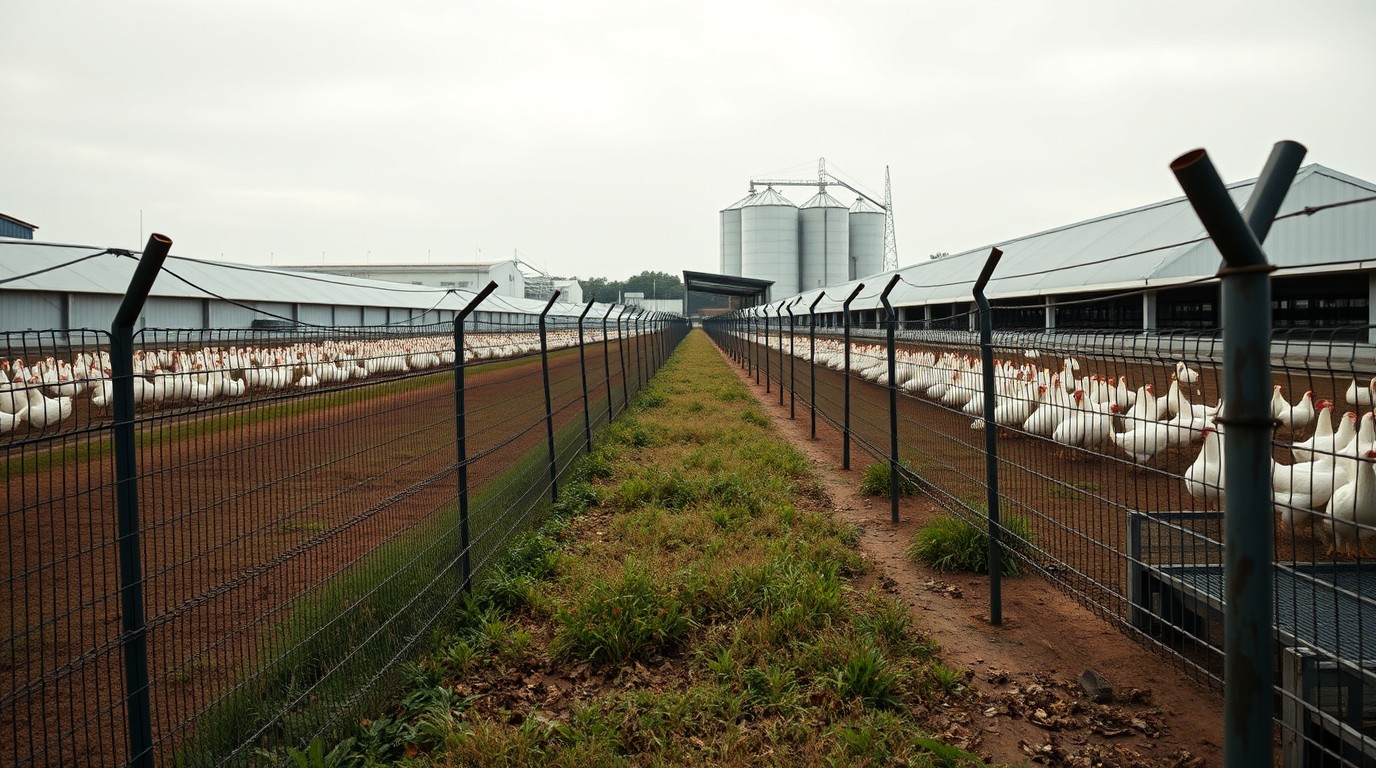
The Secretariat of Agriculture and Rural Development suspended imports of poultry products from Brazil indefinitely on October 20, 2026, after Brazilian authorities confirmed an outbreak of Newcastle disease at a commercial broiler farm in Nova Itaberaba, Santa Catarina.
The measure was carried out by the National Service for Agrifood Health, Safety and Quality (Senasica), which deactivated the Animal Health Requirement Sheets on its platform to halt shipments. Mexico is a country free of the disease, which affects the respiratory, nervous and digestive systems of birds. The weight of the supplier is significant: Brazil has been Mexico's second-largest chicken meat supplier since 2022, according to a 2025 report from Brazil's Ministry of Agriculture cited by El CEO. Nor is this the first restriction: more than a year and a half ago the Mexican government had already limited Brazilian poultry imports because of an avian flu outbreak.
The suspension covers commercial imports and also products that tourists bring into the country, in order to prevent the virus from reaching Mexican soil, and extends to:
- poultry meat and poultry offal; - fertile eggs and chicks up to three days old; - songbirds, ornamental birds and birds of prey for commercial sale; - pets from Brazil.
Senasica will resume purchases when the government of Brazil provides scientific evidence that the outbreak is under control, according to the statement reproduced by El Financiero. Santa Catarina, the state where the case was detected, accounts for about 23 percent of Brazilian chicken exports so far in 2026, according to the Brazilian Association of Animal Protein and the local associations ACAV and Sindicarne. That same association stated in a note that there are no risks associated with consuming the product. The disease does not pose a risk to humans, since it is not transmitted between species, according to the World Organisation for Animal Health.
For processors, restaurants and distributors that buy Brazilian chicken, the data leaves on the table the cost of replacing a supplier and the uncertain timetable for resumption. The useful reference will be the date on which Senasica reactivates the animal health requirement sheets.
This article was written with the assistance of artificial intelligence from verified sources and reviewed by a human editor before publication.