

RedBird names Brett Yormark CEO of its Milan sports holding company
RedBird creates Milan Sports & Entertainment and appoints Brett Yormark as CEO to group AC Milan, the stadium and a possible NBA Europe franchise in Milan.
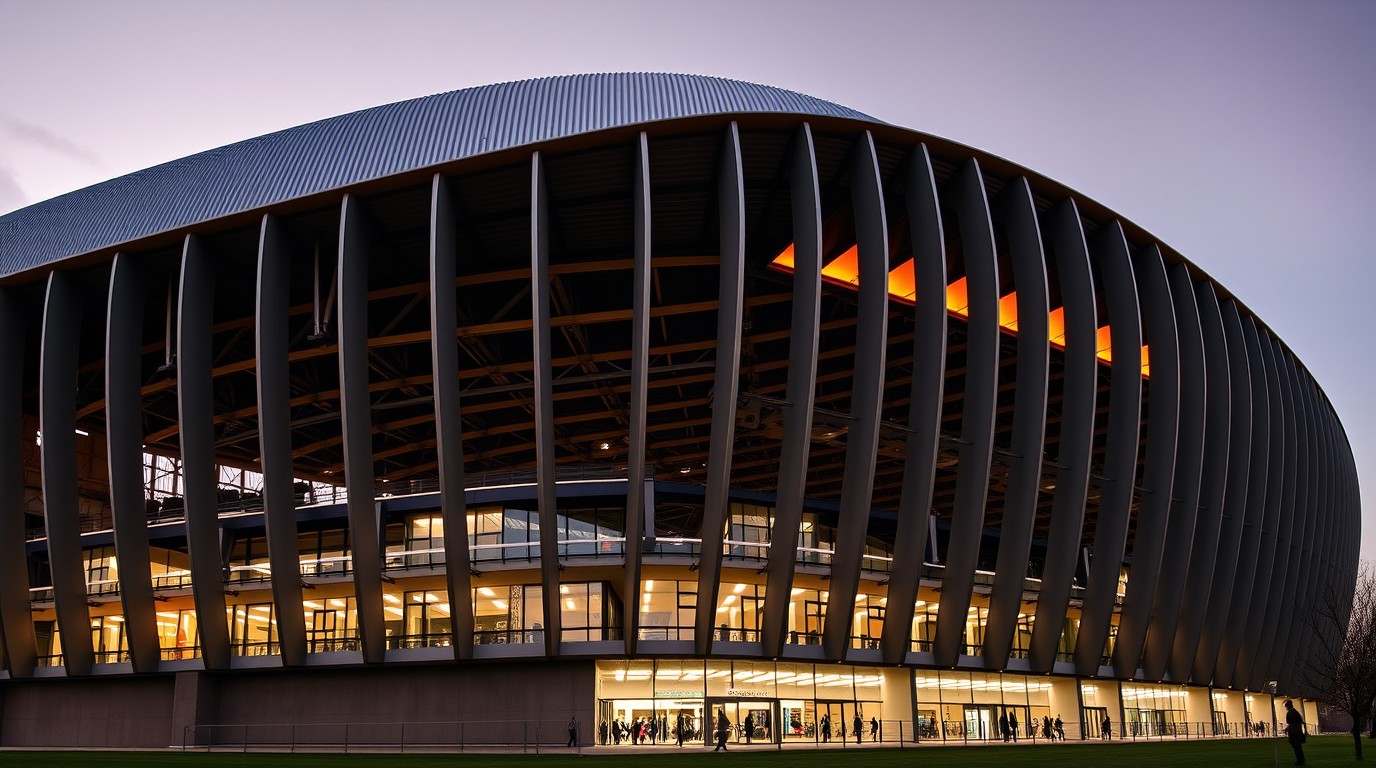
RedBird Capital Partners created Milan Sports & Entertainment and named Brett Yormark, commissioner of the Big 12 Conference, as CEO, according to the firm's statement of November 13, 2026. The holding company groups the majority stake in AC Milan, the project for its new stadium and a possible NBA Europe franchise.
RedBird founder Gerry Cardinale bought AC Milan in 2022 in a deal with an enterprise value of 1.3 billion dollars, according to Sportico. Since then the club went from 299 to 463 million dollars in revenue in the 2024-25 season and is now valued at 1.66 billion, according to the same outlet. The vehicle seeks to concentrate assets that were previously managed separately and to sell sponsorships, premium seating and experiences around the venue. For a Latin American sports services operator, the move shows how US private capital packages a club, a property and commercial rights into a single platform.
Yormark, 60, signed a multiyear contract and is said to have an equity stake, Sportico reported. He will remain at the Big 12 until the end of January and will report to Cardinale. City AM details that the holding includes the majority in Milan, the interest in the 71,500-seat Generali Stadium that the club will share with Inter and the bid for an NBA Europe franchise whose offers range from 500 to 1,000 million dollars. The stadium naming rights deal with Generali pays 725 million dollars over 20 years, the highest in sports according to Sportico. Milan will hire a sporting executive separately; Yormark's mandate covers the commercial side. A person close to the deal told Sportico that the holding is weighing an IPO in five to ten years.
The data leaves open the question of whether the multi-asset holding model, with naming rights, venue services and premium seating, finds buyers in Latin American leagues. For providers of concessions, security or event production, the question is which contracts in that package remain open outside Europe.
This article was written with the assistance of artificial intelligence from verified sources and reviewed by a human editor before publication.