

Rosario Central Bids Its Stadium as Argentina's 2030 World Cup Host Venue
Rosario Central is pitching the Gigante de Arroyito as Argentina's 2030 World Cup venue, with US$13 million in works and 42,000 seats. What FIFA decides next.
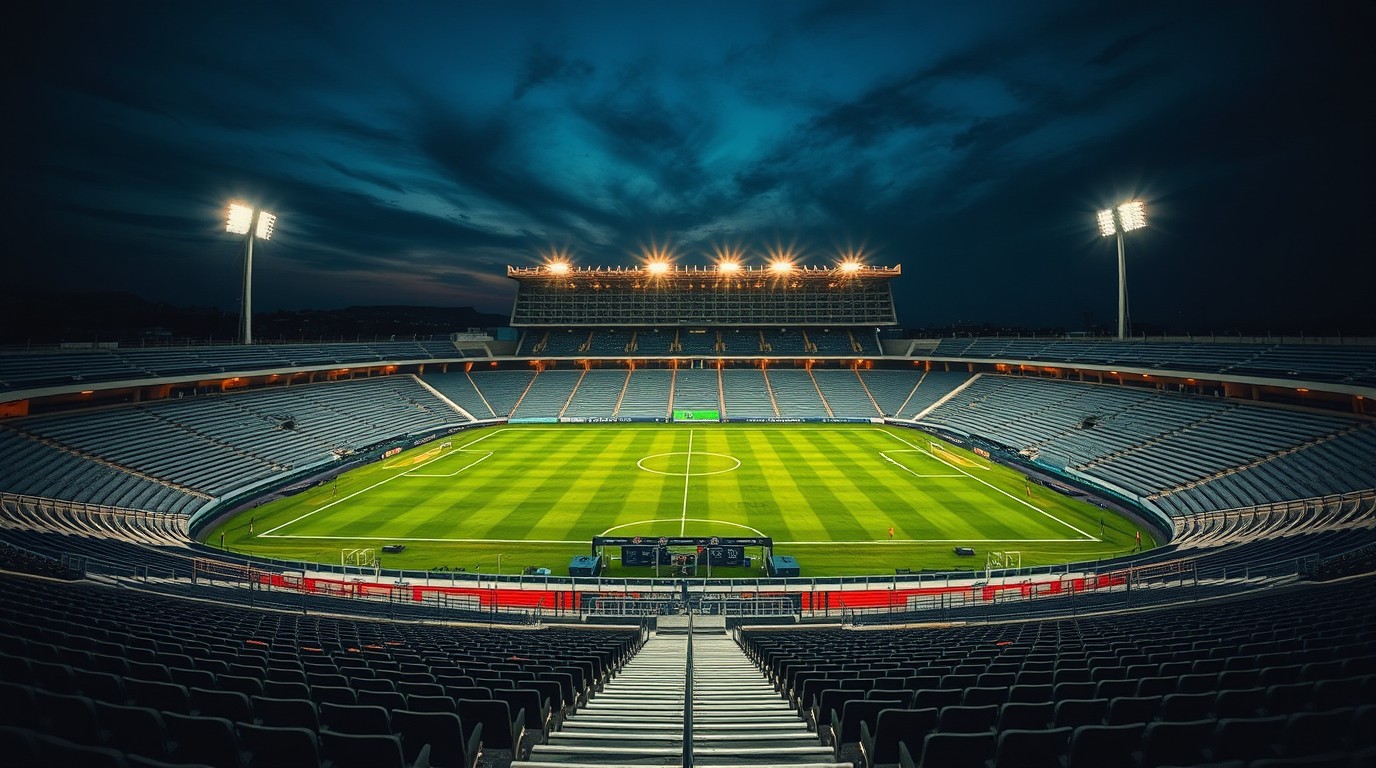
On October 13, 2026, Rosario Central submitted the Gigante de Arroyito as Argentina's host venue for the 2030 World Cup, backed by a US$13 million renovation plan and a target of 42,000 seats, according to La Nación. The club formalized its candidacy with an institutional video distributed on social media.
The 2030 World Cup will be played across six countries: Spain, Portugal and Morocco as the main hosts, plus opening matches in Argentina, Uruguay and Paraguay to commemorate the Centenary of the World Cup. Argentina is guaranteed at least one match, which is shaping up to be at River Plate's Estadio Monumental, according to TUDN. The Gigante de Arroyito already served as a venue in 1978, when it hosted Argentina's 6-0 win over Peru. The two-and-a-half-minute video was released with authorization from AFA, FIFA and Conmebol, and mentions Lionel Messi, Diego Maradona and Mario Kempes. For a sports infrastructure operator, the process mirrors the construction, hospitality and access cycle Mexico went through on the road to 2026, now being priced against a designation that does not yet exist.
The project adds a third tier of 3,600 seats opening in the coming weeks, 400 additional parking spaces, VIP and hospitality areas, and river access via the Paraná River, La Nación detailed. The plan brings the venue's total capacity to 53,000 people, with 42,000 seated in stands under FIFA standards. Club president Gonzalo Belloso noted that "at this stage we are investing 13 million dollars, but another phase of the works remains." The bid depends on FIFA approving an expansion of the tournament from 48 to 64 teams; under the current format, Argentina has only one guaranteed slot. Other Argentine cities mentioned in the race are La Plata, Córdoba and Santiago del Estero.
Página/12 confirmed the bid and the club's historical argument as a 1978 venue. The decision on host venues rests with FIFA and Conmebol, according to La Nación. The data point leaves a question for anyone financing sports infrastructure: when the list of Argentine stadiums will be defined, and which club absorbs the works without a guaranteed match.
This article was drafted with artificial intelligence assistance from verified sources and reviewed by a human editor before publication.