

Measles Toll Reaches 50 Deaths in Mexico as Health Ministry Sets 95% Coverage Target
Mexico has logged 20,701 cases and 50 measles deaths as of November 12, 2026; the Health Ministry is aiming for 95% coverage within three months. Here are the key figures.
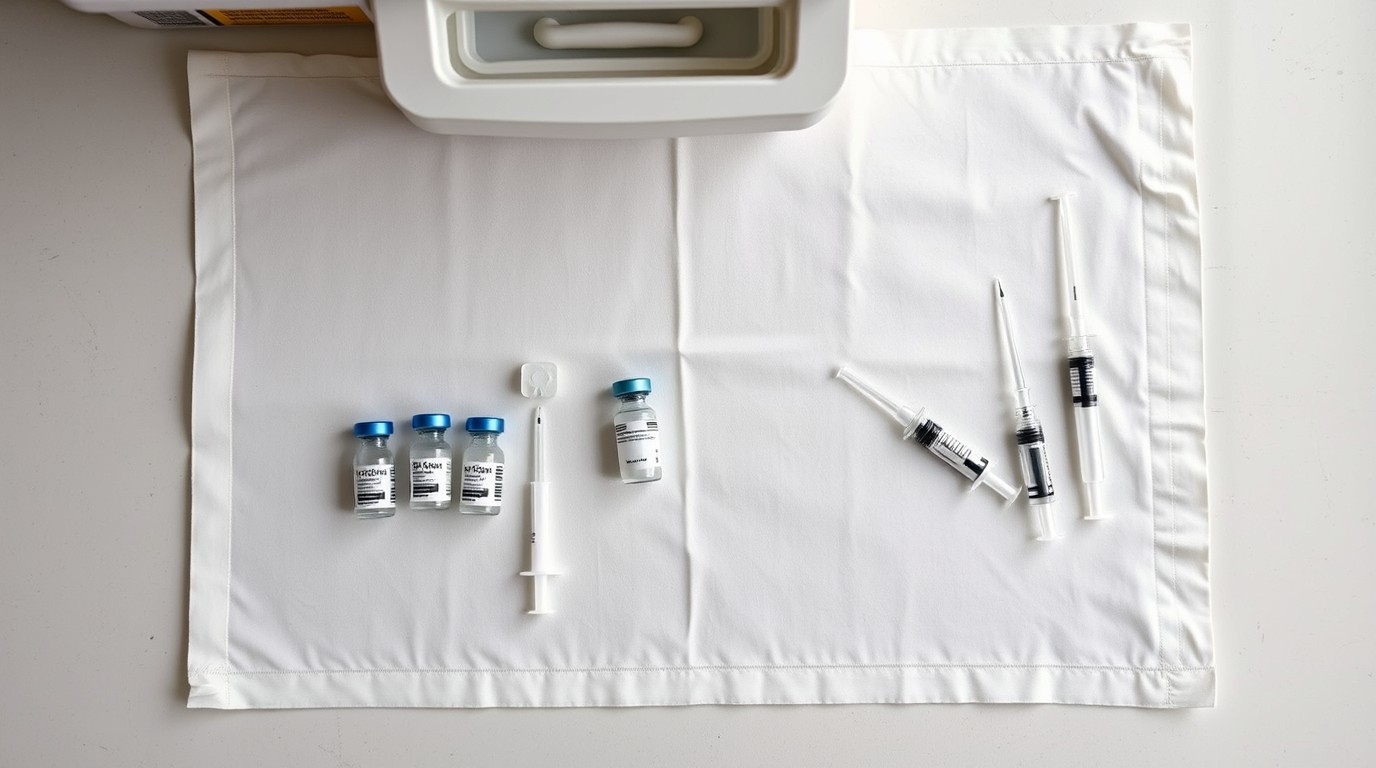
Mexico accumulated 20,701 confirmed cases and 50 deaths from measles between January 1, 2025 and November 12, 2026, according to the Daily Measles Outbreak Report from the General Directorate of Epidemiology. At the cutoff, the country reported six active cases: five in Chiapas and one in Quintana Roo.
The outbreak began in February 2025 after nearly three decades without endemic transmission, which had been interrupted in 1996. World Health Organization estimates cited by El Economista put first-dose coverage at 88% in 2025, 80% in 2024 and 76% in 2023. For clinics, laboratories and digital health platforms, the data shapes operations: the campaign remains in emergency mode, and the shift to routine surveillance depends on measurable thresholds. The Pan American Health Organization granted Mexico a second seven-month extension on April 7, 2026, and has scheduled review of the case at its annual November meeting, Proceso reported.
Health Secretary David Kershenobich reported 90% coverage with 40.9 million doses administered and set a target of 95% within the next three months, according to Proceso. The 90-day response plan covers epidemiological surveillance, vaccination ring containment and sweep campaigns in areas with transmission. To declare an outbreak closed in a given state, at least 12 weeks must pass without confirmed cases and surveillance capacity must be sustained. Cumulative cases are concentrated in Jalisco with 8,272, Chihuahua with 4,606, Chiapas with 1,335 and Mexico City with 1,083. Chihuahua accounts for 21 of the 50 deaths and Zacatecas eight, according to El Economista's breakdown. The official goal is to close the outbreak in the second half of 2027 and then document 12 months without transmission to pursue international certification.
The indicator to watch is the gap between 90% and 95% coverage, together with the 12-week count per state. For a health services operator, those two figures mark when vaccination demand shifts from contingency to routine, and what registration and follow-up capacity is worth retaining.
This article was drafted with artificial intelligence assistance from verified sources and reviewed by a human editor before publication.