

AI server orders in Mexico now stretch to seven months of waiting
AI servers in Mexico take up to seven months, versus six or eight weeks before. What this means for cost per token and data center investment.
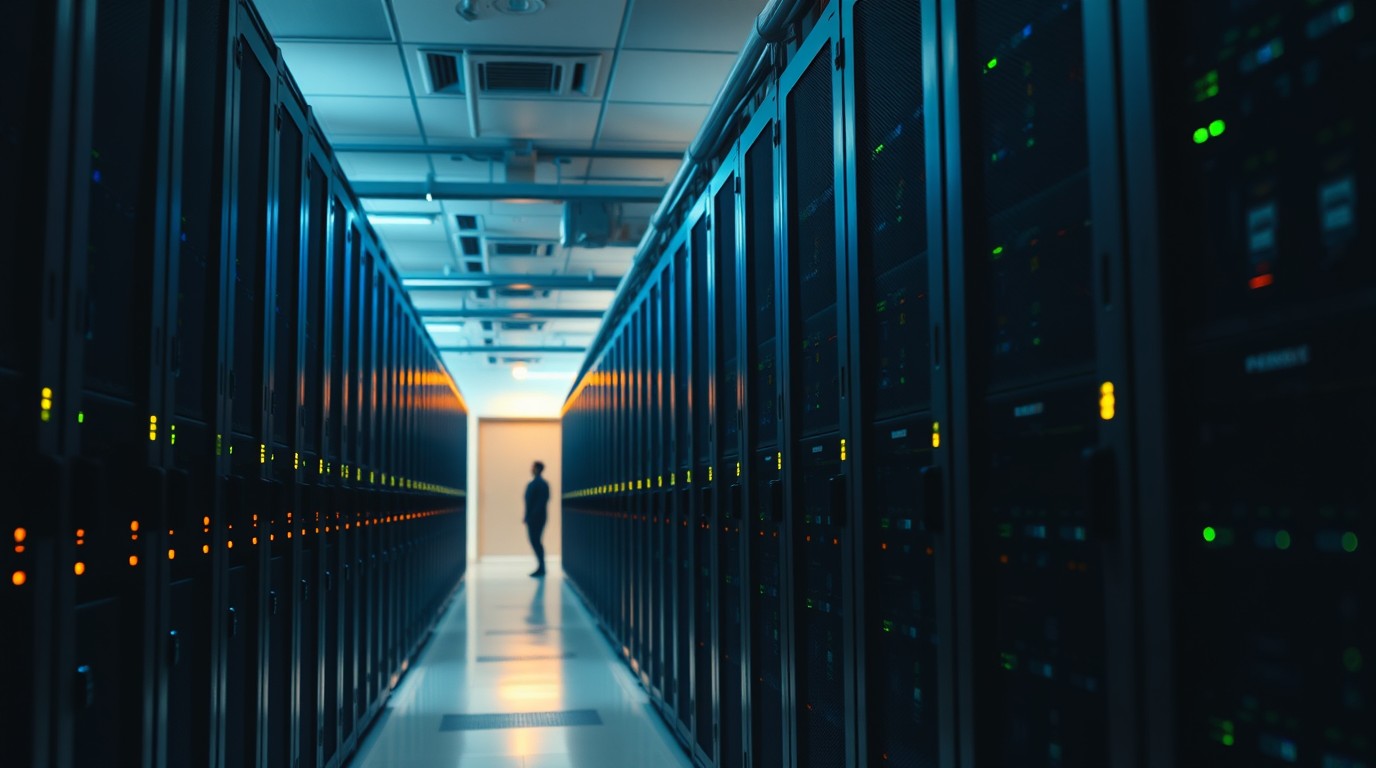
Orders for artificial intelligence servers in Mexico now take up to seven months, roughly 30 weeks, compared with the usual six or eight weeks, according to El Financiero on November 11, 2026. Esteban Rey, CEO of Ignia, said a recent purchase order quoted him that lead time for delivery to the country.
The bottleneck is not local. The shortage of solid-state drives, memory and graphics processing units (GPUs) is hitting the global supply chain, and manufacturers are prioritizing hyperscalers, which buy in volume and pay premiums. Expansión reported in October that Moody's estimates capital spending of 700,000 million dollars by U.S. hyperscalers for 2026, six times what was invested in 2022. The same report places artificial intelligence as the third sector with the most private capital investment in Mexico, behind fintech and e-commerce, according to Amexcap. For a Mexican company planning to deploy its own compute, delivery time becomes a planning variable as important as the price of the equipment.
Rey noted that less sophisticated equipment can take between 16 and 18 weeks. Carlos Sánchez, Qualcomm's director of business development for Latin America, said that more than 90% of activity on large models will be inference, the processing that occurs with each query. Sánchez described an inference data center as a token factory whose cost depends, among other factors, on the energy used. That is why the indicator that is starting to matter is how many tokens are generated per watt and how much each million tokens costs. Sánchez stated that, if costs become more efficient, "Mexico could concentrate around half of the planned investment in data centers for inference in Latin America, excluding Brazil."
The figure leaves two variables on the table that now weigh on the decision: delivery lag and cost per query. The operational question is no longer which model to use, but at what cost per token the operation can be sustained.
This article was written with the assistance of artificial intelligence from verified sources and reviewed by a human editor before publication.