

Slim turns a Nezahualcóyotl dump into a 60-hectare sports center
The Ciudad Jardín TELMEX Bicentenario sports center occupies 60 hectares in Nezahualcóyotl on top of a dump that accumulated 12 million tons of waste.
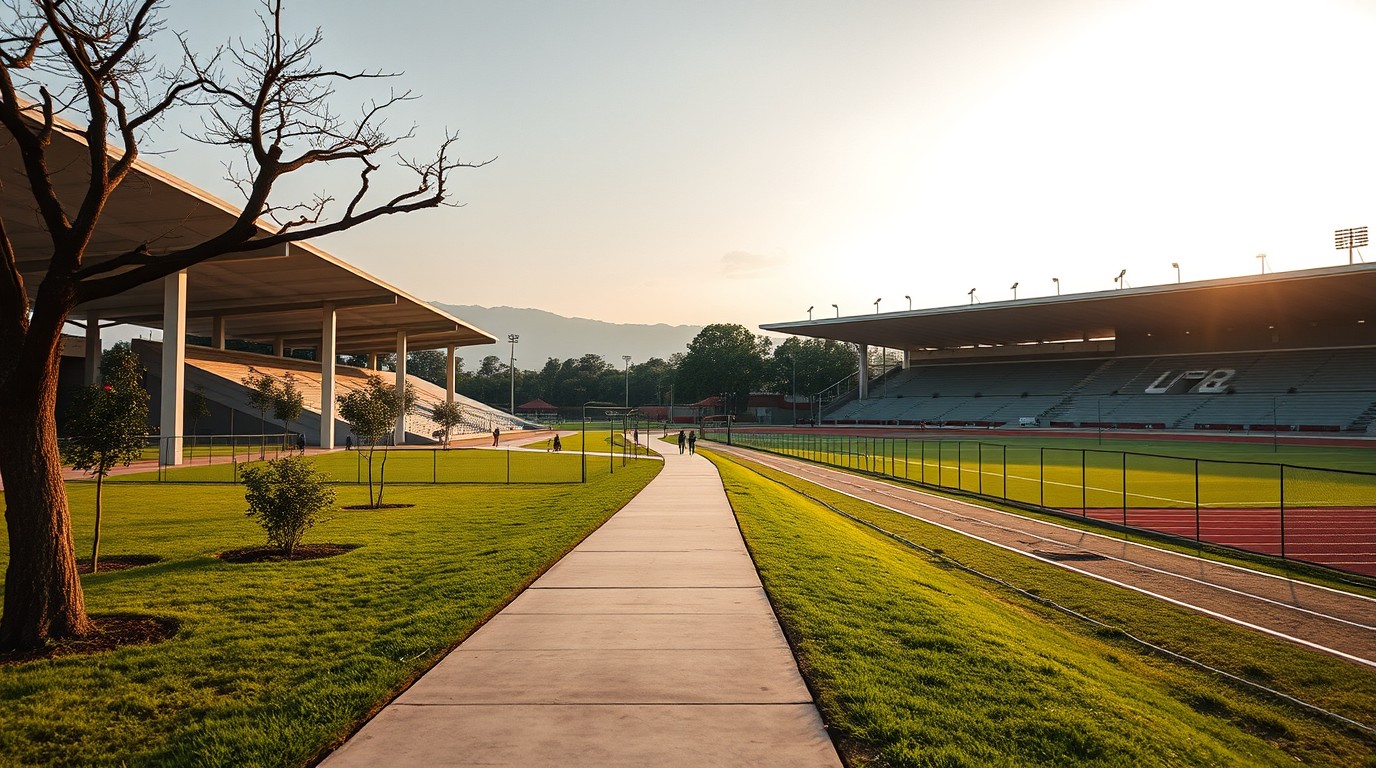
The Ciudad Jardín TELMEX Bicentenario Sports Center opened in May 2009 on the former Bordo de Xochiaca, an open-air dump that received waste from Nezahualcóyotl between 1975 and 2006. The sports complex now operates on more than 60 hectares that once accumulated up to 12 million tons of waste.
The conversion was documented on November 13, 2026, in an Expansión feature on Ciudad Jardín Bicentenario, the complex that also includes a shopping center, a private hospital and educational campuses. According to that outlet, the State of Mexico government sold 46 hectares to companies in Carlos Slim's group for about 250 million pesos, and Constructora IDEAL and Promotora Sanborns contributed around 70% of a private investment estimated at 200 million dollars. El Imparcial reported the same figures on September 28, 2026. The project formally launched on March 30, 2006, according to the Revista Digital Universitaria de la UNAM. For a real estate or sports infrastructure operator, the case shows how private capital can develop contaminated land without waiting for public budget.
The sports center cost 400 million pesos and comprises 54 courts, a stadium for 3,650 spectators, a 1.37-kilometer bike path and two gyms with a combined capacity for 1,200 people. Casa Telmex, UAEM and La Salle campuses, a CRIT and a community center were integrated into the complex. On the environmental side, four lagoons capture up to 5 million liters of rainwater a year, and biogas from the buried waste generates between 3 and 4 megawatts for the site itself. The shopping center opened in late 2008 on 17.5 hectares, and the hospital launched in April 2009 with 82 rooms. The hospital operates under a long-term lease with Grupo Star Médica, a structure that separates the property owner from the operator. Inmuebles Carso reported revenues of 8,812 million pesos in 2025, 4.1% more than in 2024.
The data leaves two questions on the table for anyone evaluating land regeneration projects: how much of the return depends on commercial anchors and long-term leases, and how the operation of 54 courts and two gyms is sustained when the main revenue comes from retail.
This article was written with the assistance of artificial intelligence from verified sources and reviewed by a human editor before publication.